
01/ 09
Smart Factory
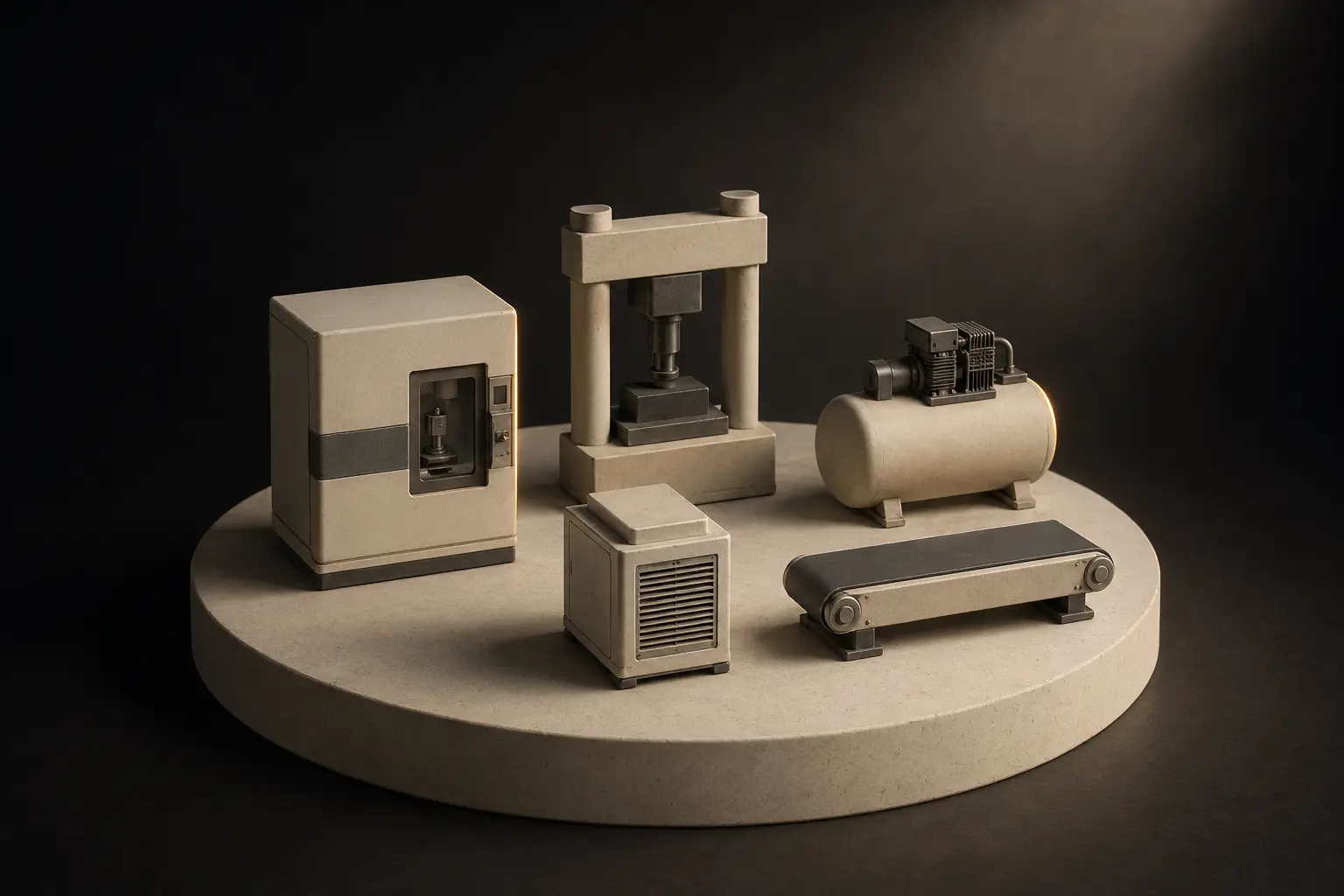
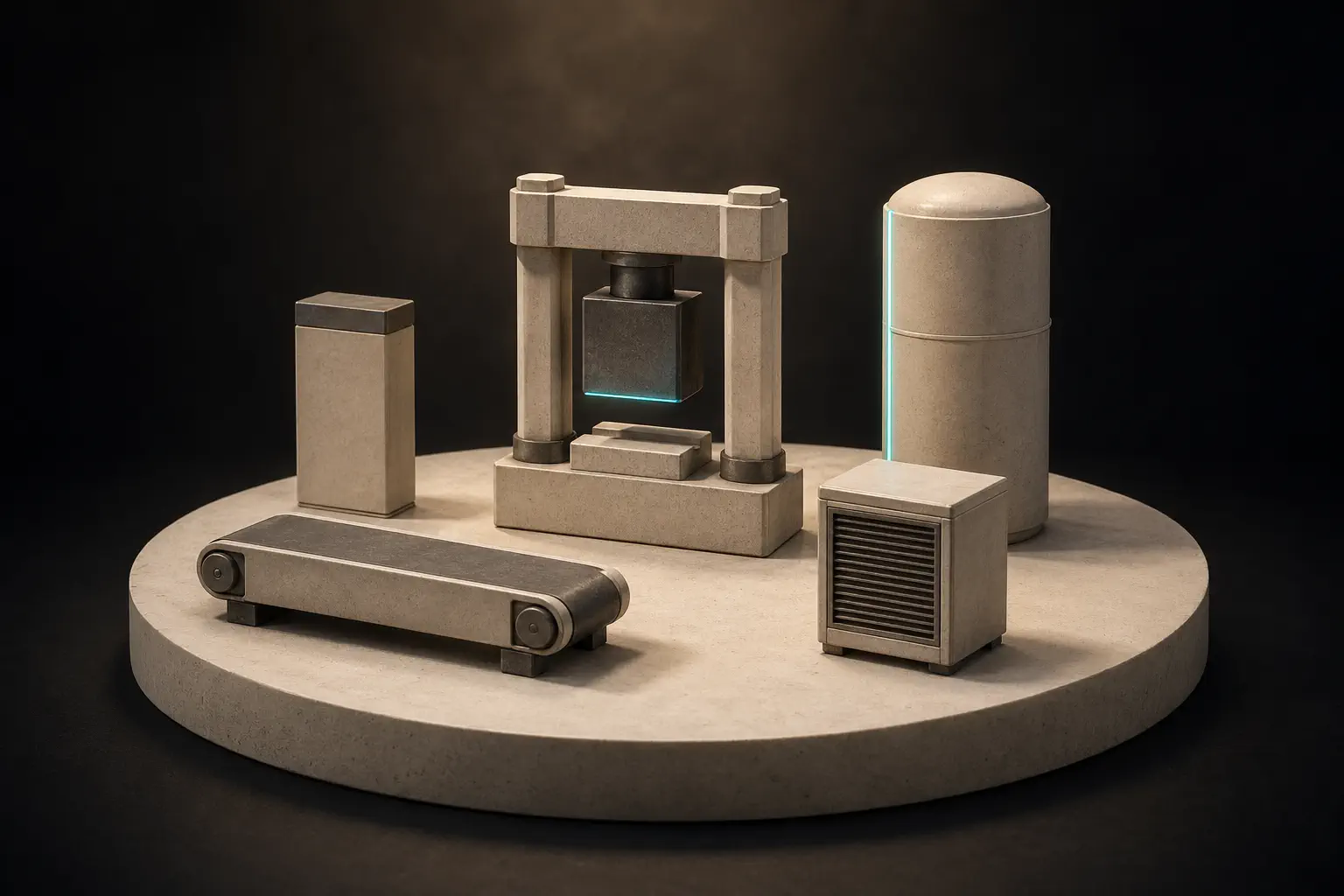
A production line from CNC to wash conveyor, press and inspection conveyor, with stations, buffers, shifts and scrap counts, plus chiller, compressed air and pump utilities.
Explore templateBuild before the plant exists
Miravo is an open-source factory simulator that generates realistic industrial data for whatever you're building. Ask your agent for the plant you need, or start from a built‑in template.
01 / Template library
Miravo ships ready-to-run templates for factories, water, buildings, backup power, district heating and pharma cleanrooms. Run one as-is, fork it, or have your agent build the one you need.
Exhibit
A production line from CNC to wash conveyor, press and inspection conveyor, with stations, buffers, shifts and scrap counts, plus chiller, compressed air and pump utilities.
Explore template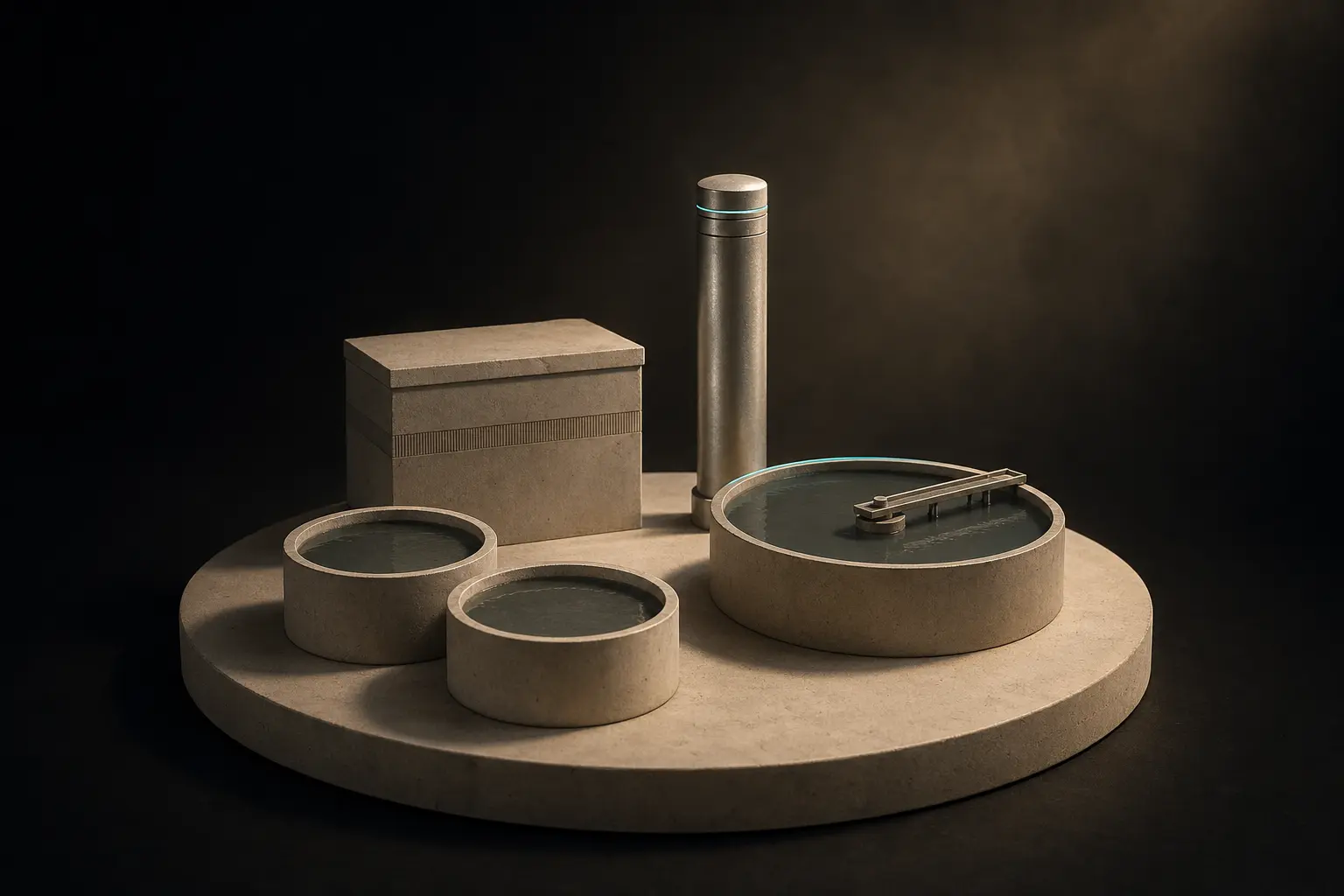
Municipal water treatment with redundant intake pumps, aeration, chemical dosing, clarification and clean-water distribution.
Explore template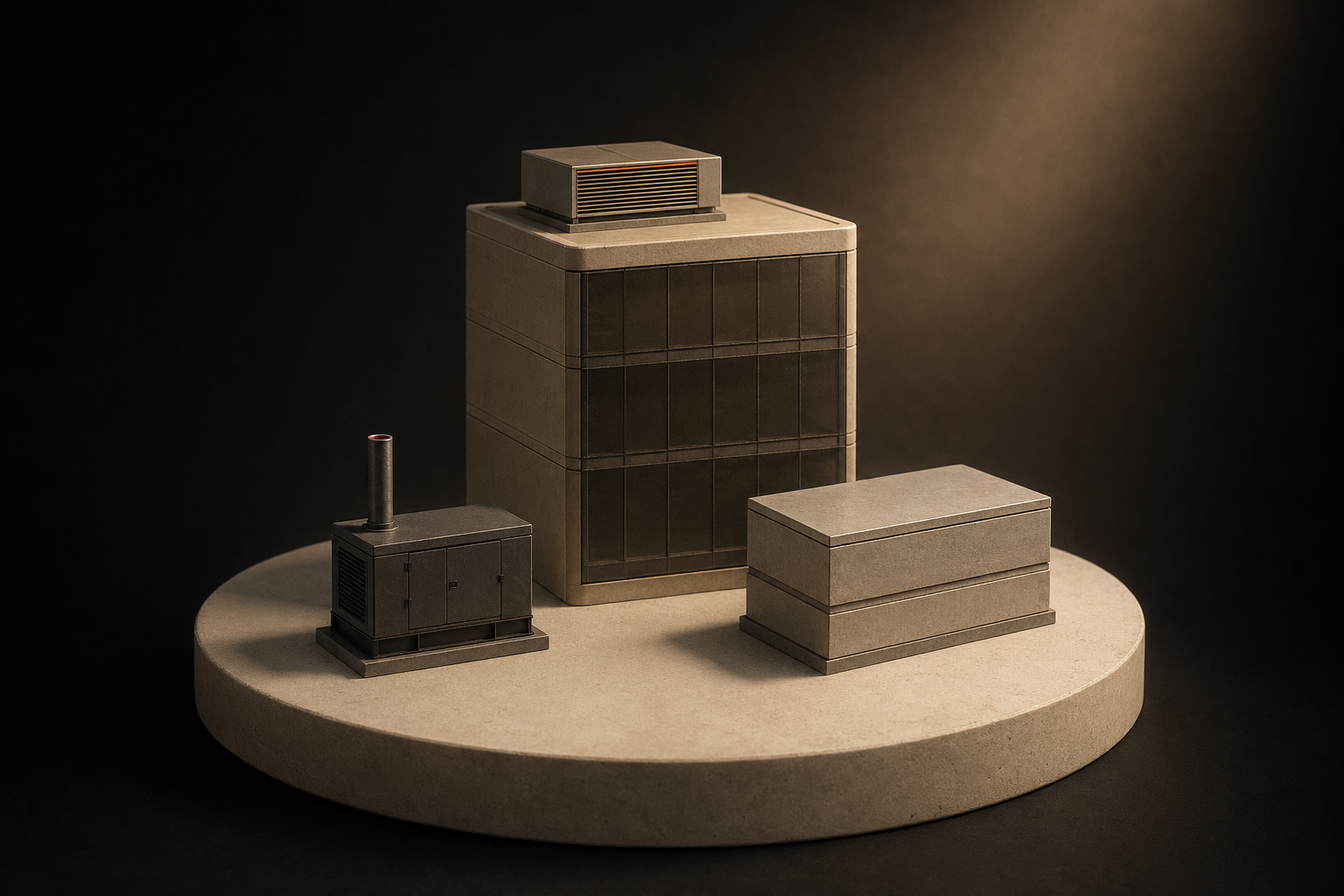
Three-floor commercial building with rooftop HVAC on every floor, a chilled water plant, a hot water heating loop and an emergency generator.
Explore template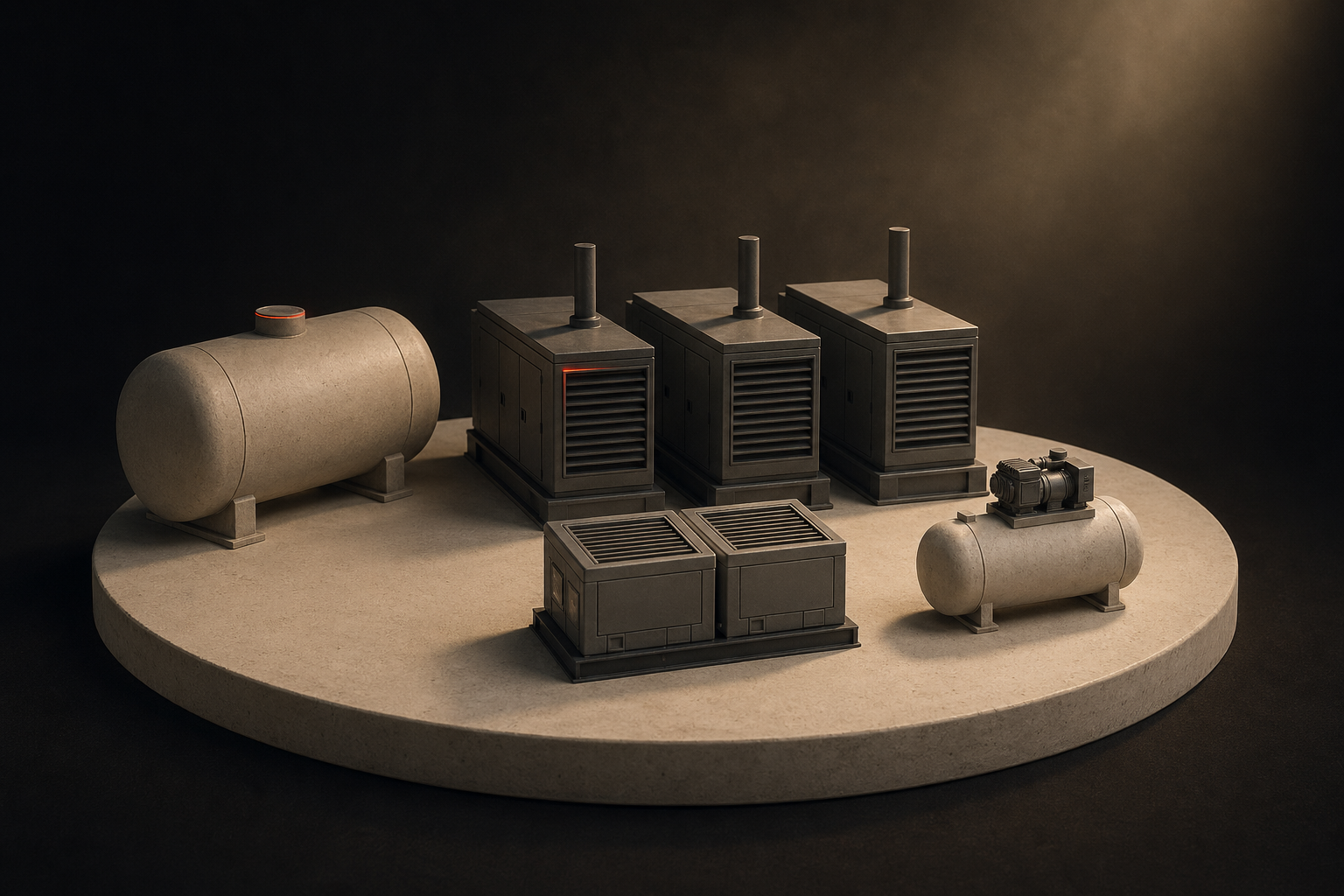
Data center backup power with N+1 diesel generation, bulk fuel storage, dual chiller cooling and a start-air compressor.
Explore template
City district heating with three gas boilers, a thermal accumulator, trunk pumps and four customer substations whose seasonal demand and pipe delay differ.
Explore template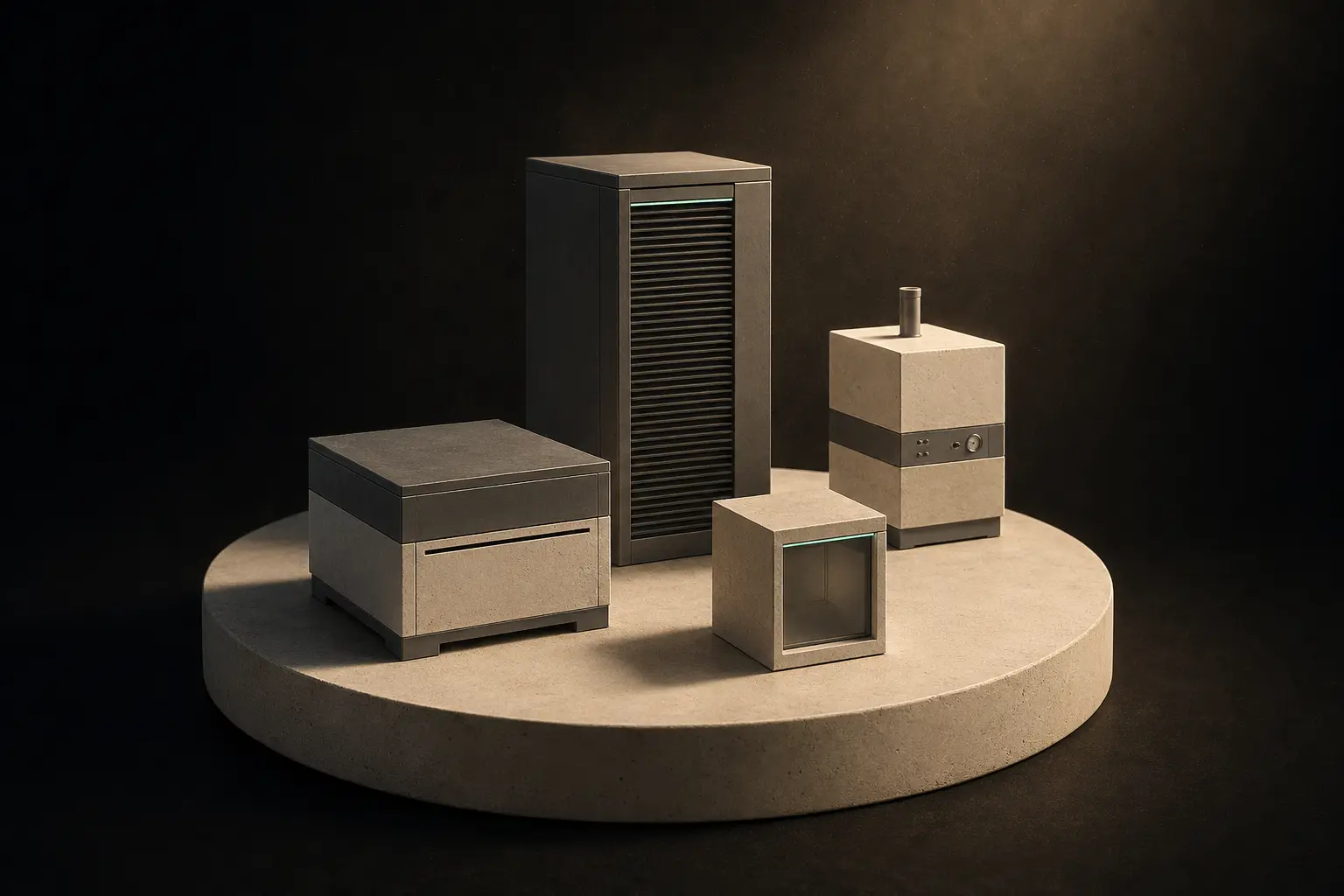
GMP sterile suite with Grade B, C, D and gowning rooms on a pressure cascade, make-up air, a chilled water plant and door, humidity and filter faults.
Explore template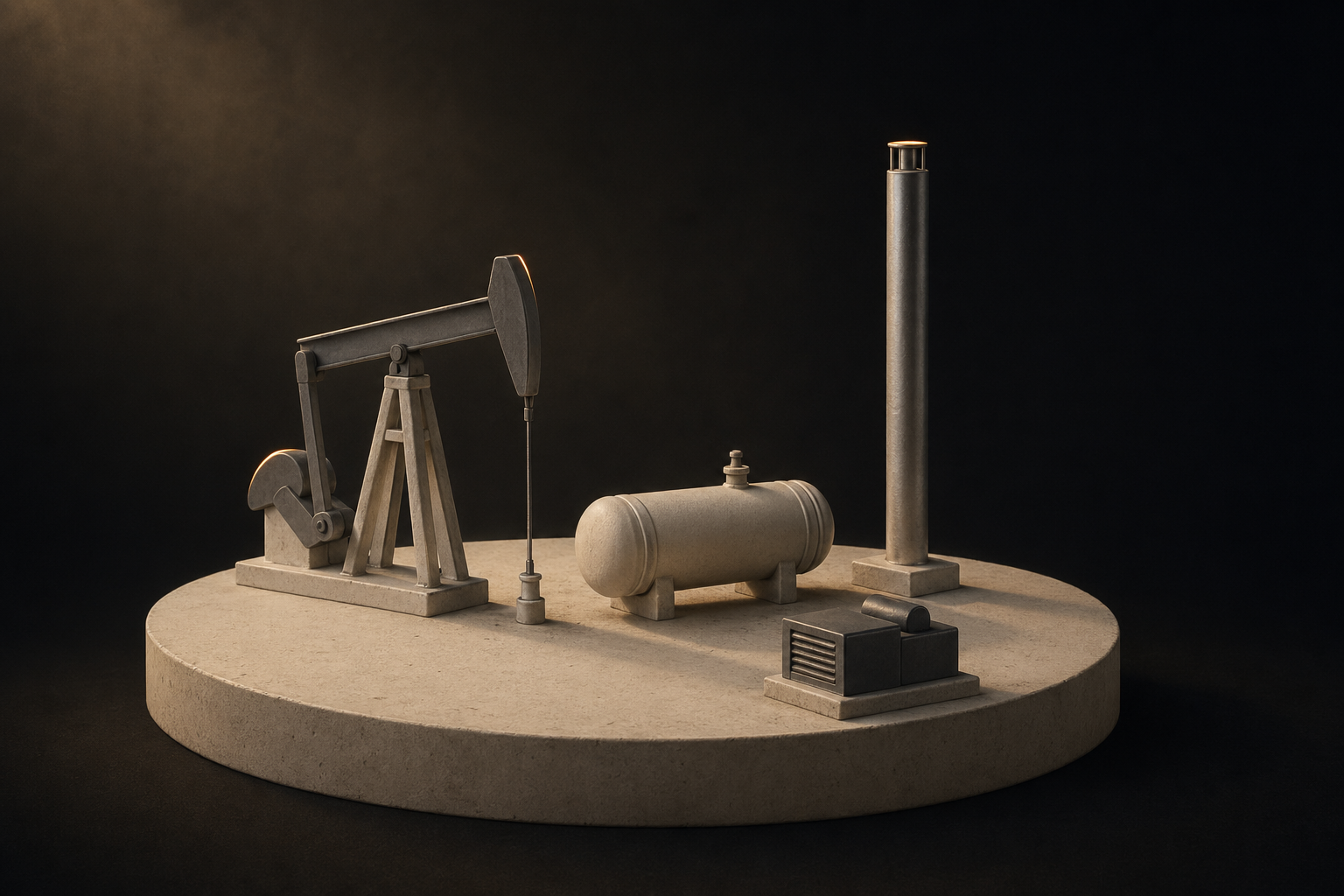
Artificial lift pumps, separator vessels, flare, gas compressor, SCADA gateway
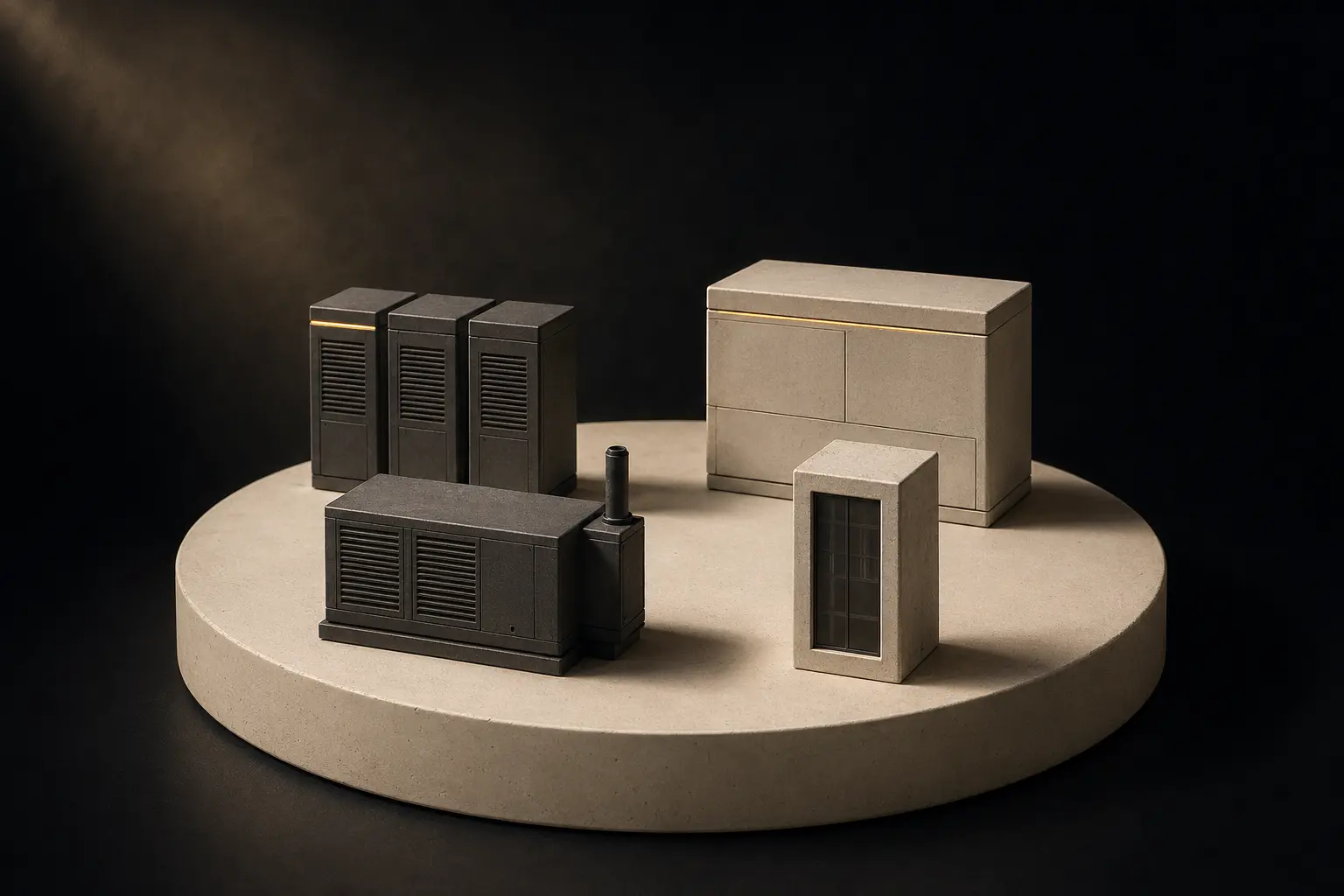
Solar inverters, BESS, diesel genset, building loads

Asset model library
Start with the built-ins, or have your agent draft any model the catalog does not already cover.
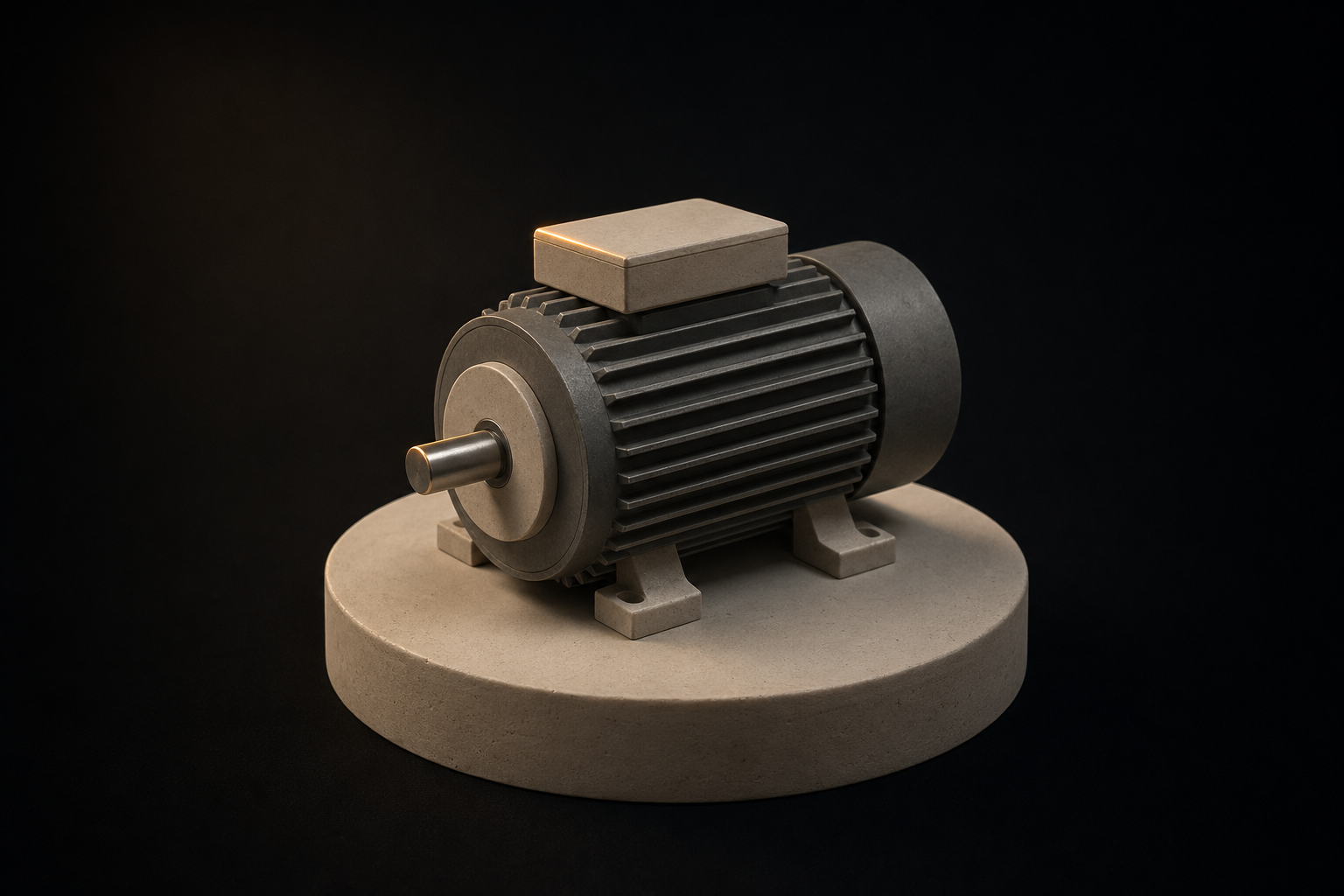
Models
speed · torque · bearing · vibration
head · flow · NPSH · cavitation
discharge · receiver · duty cycle
rpm · load · tool wear · coolant
clamp force · cycle · ram position
speed · motor current · tension
supply temp · COP · stages
level · inflow · outflow · valve position
02 / Built-in integrations
Miravo creates the Litmus Edge resources for you (devices, tags, Digital Twins models and instances) and keeps them linked to a running factory. Ignition, AWS IoT SiteWise, and Azure IoT are coming soon.

02.1 / Digital Factory Demo
Detroit and Toronto run side by side, both live in Litmus Edge. Fail the Detroit compressor and air pressure drops, the assembly line stops, and Grafana shows it. Toronto keeps running.
Coming soon
Coming soon
Generate tag structures and UDT imports for Inductive Automation SCADA workflows.
Map templates into asset models, assets, and properties for AWS industrial data pipelines.
Prepare Azure Digital Twins models and IoT device mappings from the same template.
03 / Protocols
OPC UA, Modbus TCP and MQTT today, with more to come. Miravo runs the factory once, then exposes its live state through protocol adapters. Every adapter reads from the same topology, values, faults, and state changes, so clients stay consistent without keeping separate simulators in sync.
Plant-structured topics, custom JSON payloads (not Sparkplug B), embedded broker by default.
Typed, browseable address space. Hierarchy follows the template.
Register-mapped values for polling clients. Read and write.
Build or contribute a protocol.
Protocol adapters are extension points in Miravo. Build one for your stack, or contribute it back to the community.
04 / Use cases
Software that runs on industrial data gets built against fake data. Real equipment is off-limits, failures can't be triggered on demand, and wear takes months to show up. So teams test against random tags and homemade scripts, and find the problems in production.
Building a dashboard, historian, UNS pipeline or SCADA integration? Describe the plant, protocol and failures in plain language. With the Miravo skill, your agent reuses a built-in template or writes the missing models, runs the factory, and hands back endpoints, topics and node IDs.
Inject faults into a running factory. Watch pressure, cycle time, and equipment state move together, then verify alarms and downstream logic with no production access required.
Equipment ages, drifts and degrades on an accelerated clock. Test predictive-maintenance and condition-monitoring logic against wear you would otherwise wait months to see.
Seeded, repeatable runs for CI, demos and load tests. Same template, same seed, same run.
Install the skill once with miravo skill install, then ask. Your agent builds what's missing and tells you how to connect.
05 / Get started
No signups, no license keys, no sales calls. Install the CLI, then start a template or ask your agent.
06 / Common questions
Yes. Miravo is Apache 2.0 open source. You can run it from source, Docker, package executors, or standalone binaries without license keys or trial gates.
Read the docsClaude Code, Codex, and any agent that loads Agent Skills folders. Run miravo skill install once, then ask in plain language.
Protocol simulators usually start with tags. Miravo starts with assets, topology, lifecycle behavior, and faults, then exposes the same live factory through protocol adapters.
Read the docsOPC UA, Modbus TCP and MQTT today, with more to come. Protocol adapters are extension points, so Miravo can grow beyond the built-ins.
Read the docsLitmus Edge is available today. Miravo can create devices, tags, Digital Twins models, Digital Twins instances, and the links between them. Ignition, AWS IoT SiteWise, and Azure IoT are coming soon.
Read the docsYes. Asset models are plain .asset.yaml files, and templates are .miravo.yaml files. Start from a built-in, start from scratch, or describe the equipment or system you need and let your agent draft the asset models and templates for you.
Read the docsYes. Use the same template, seed, and lifecycle settings to reproduce runs across commits, tests, demos, and model versions. Docker images and standalone binaries keep setup scriptable.
Read the docsNo. Miravo gives software teams a realistic factory before production access exists. Use it to build, demo, test integrations, and validate behavior, then verify production changes against real systems.
Read the docsMiravo is not for PLC logic testing, virtual commissioning, 3D visualization, or throughput and layout optimization. It is not physics-grade, and it has no PackML. MQTT payloads are custom JSON, not Sparkplug B. It is built for development and testing, not for operational control.
Read the docs